
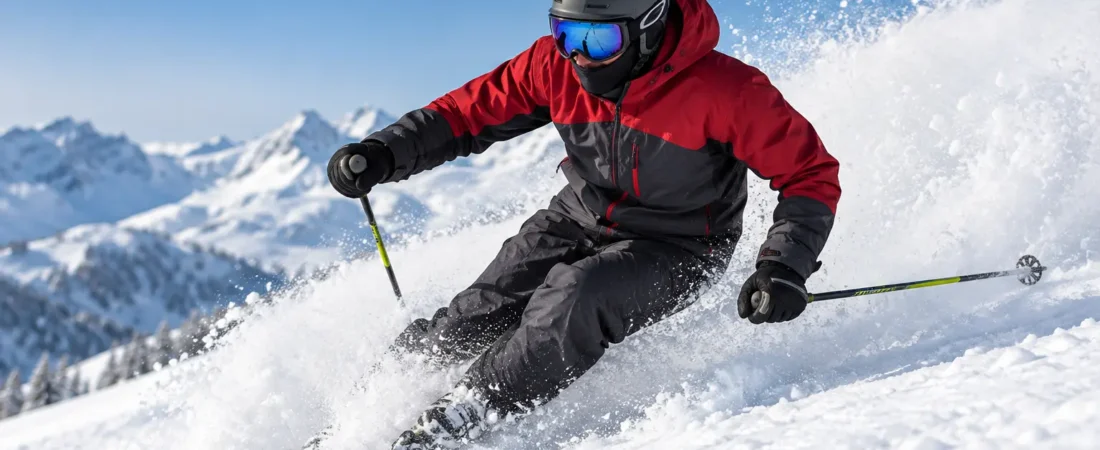
Gulmarg skiing is Asia’s premier ski destination, offering powder snow slopes from 2,650m to 4,000m altitude. The ski season runs December to March, with January–February as peak months. Beginners can learn at the IISM training slope near Gulmarg village, while advanced skiers access off-piste terrain via the Gulmarg Gondola Phase 2 to Apharwat Peak. Ski equipment rental starts at ₹800/day and certified instructors charge ₹2,500–₹5,000 per session.
The Real Problems People Face Before Skiing in Gulmarg
You have watched the videos. Skiers carving through bottomless powder at 4,000 meters. The Gulmarg Gondola disappearing into Himalayan clouds. You are ready to book.
Then reality sets in.
-
“I have never skied before. Can I actually learn in Gulmarg, or is it only for experts?”
-
“How much does Gulmarg skiing really cost? Equipment, instructors, Gondola — what is the total?”
-
“Is it safe? I have heard stories about avalanches and no rescue services off-piste.”
-
“Which ski slope should I start on? The names are confusing — Phase 1, Phase 2, IISM slope, Church slope.”
-
“Will my regular winter clothes work, or do I need professional ski gear?”
-
“What if the Gondola closes due to wind? Is there anything else to do?”
These are real problems. Most blogs show you pretty pictures and tell you Gulmarg is “paradise.” They do not tell you that power cuts are frequent, that heating stops at night in budget hotels, or that off-piste skiing without a guide can be fatal.
This guide answers every question honestly. It breaks down every Gulmarg skiing slope by difficulty, gives you real pricing, and tells you exactly what to expect — good and bad.
About Gulmarg Ski Resort: Why It Is Asia’s Best
Gulmarg Ski Resort sits at 2,650 meters in the Pir Panjal range of the Himalayas. The British established it in 1927 when two Army officers, Major Metcarp and Major Hadow, founded the Ski Club of India here. That legacy lives on.
Today, Gulmarg is the highest lift-served ski resort in Asia. The Gulmarg Gondola rises to 3,980 meters at Apharwat Peak, giving you a downhill run of nearly 3 kilometers. The snow quality is what skiers call “curry powder” — light, dry, and deep. On a good day, you are skiing through knee-deep untouched snow with views of Nanga Parbat in the distance.
Gulmarg Ski Slopes: A Breakdown by Difficulty
Not all slopes in Gulmarg are the same. Some are gentle training grounds. Others are steep enough to challenge Olympic skiers. Here is the honest breakdown.
Beginner Slopes (Green)
IISM Training Slope
The Indian Institute of Skiing and Mountaineering operates this gentle gradient. Perfect for your first turns. Instructors are government-certified.
Learning Slope
Wide, flat, and short. Ideal for children and absolute beginners getting used to ski boots and balance.
Tangmarg Skiing Area
Lower altitude, gentler terrain. Good for a relaxed first day before heading up the mountain.
Intermediate Slopes (Blue)
Phase 1 Skiing
At 2,600 meters, this offers intermediate terrain with forested routes. Chair lifts connect multiple runs.
Highland Slope
Smooth curves and moderate gradients. Popular with skiers who have completed 2–3 days of training.
Gulmarg Church Slope
Gentile terrain with iconic scenery. A memorable run for skiers building confidence.
Chair Car Skiing
Varied terrain for all mid-level skiers. Easy access via chair lifts means more skiing, less walking.
Advanced & Expert Slopes (Black/Off-Piste)
Phase 2 Skiing (Apharwat Peak)
Long, thrilling descents on untouched powder. This is where advanced skiers spend their day.
85 Degree Slope
One of the steepest runs in Gulmarg. Reserved for highly experienced skiers with professional guides.
Gulmarg Heli-Skiing
Helicopter drops you on untouched powder fields. The ultimate off-piste experience. Advance booking essential.
Gulmarg Skiing Costs: Transparent Pricing
The biggest question no blog answers clearly: How much does Gulmarg skiing cost? Here is the breakdown.
Ski Equipment Rental
Includes skis, boots, and poles. Government ski shop near Gondola base. Private shops charge more.
Ski Jacket & Pants Rental
Essential if you do not have waterproof gear.
Goggles & Gloves
Or buy in Srinagar for ₹800–₹1,500.
Beginner Ski Instructor
IISM certified. Book at the IISM office or Gondola base.
Advanced Ski Guide
Off-piste guide. Mandatory for Phase 2 off-piste terrain.
Gondola Phase 1 Ticket
Included in some ski packages.
Gondola Phase 2 Ticket
Required for advanced terrain.
Ski Pass (Full Day)
Covers chair lifts and Gondola.
Heli-Skiing (1 Run)
Advance booking through operators.
Heli-Skiing (Full Day)
Includes 6–8 runs.
Safety Tips for Gulmarg Skiing
Gulmarg is not a European resort with marked boundaries and patrol teams everywhere. Safety is your responsibility.
Avalanche Risk
Never ski off-piste alone. Avalanche risk is real. Hire a certified guide.
Know Your Limits
The 85 Degree Slope is not an Instagram flex. It has injured experienced skiers.
Safety Gear
Carry avalanche gear off-piste: transceiver, probe, shovel.
Check Weather
Phase 2 closes in high winds. Do not argue with operators.
Acclimatize for 24h
Gulmarg is 2,650m. Apharwat is 3,980m. Altitude sickness is common.
Stay Hydrated
Cold air dehydrates you faster than you feel. Drink plenty of water.
Start with IISM
They are government-certified and trained for teaching beginners.
Best Time for Gulmarg Skiing
Timing your trip wrong means either no snow or closed slopes. Swipe to see the honest month-by-month breakdown.
December
January
February
March
April
Expert Tip: For the best Gulmarg skiing experience, visit mid-January to mid-February. The powder is deepest, the Gondola runs consistently, and the full terrain is accessible.
What to Wear for Gulmarg Skiing
Surviving 4,000m altitudes requires the right gear. Follow this strict packing list.
Thermal Base Layers
Merino wool or synthetic materials.
Insulating Mid-Layer
Fleece or down jacket.
Waterproof Ski Shell
Jacket & pants rated -10°C or lower.
Ski Gloves
Not woolen — they will get wet instantly.
Neck Gaiter / Balaclava
Crucial for wind chill protection.
Ski Goggles
Essential: Snow blindness is a real threat.
Sunscreen SPF 50+
UV radiation is intense at 4,000m.
Accommodation: Where to Stay
Where you stay affects your skiing experience more than you think. A hotel 3 km from the Gondola means a cold, expensive cab ride every morning. Check for these before booking:
Hotel prices fluctuate daily.
Don’t overpay online. Message us directly to unlock exclusive discounted rates for these properties.
Book via WhatsAppThe Khyber Himalayan Resort & Spa
5-Star LuxuryBest for: Luxury skiers, honeymooners
Hotel Highlands Park
4-Star HeritageBest for: Serious skiers, classic charm
Welcome Hotel Pine N Peak
4-StarBest for: Families, comfort seekers
The Vintage Gulmarg
Boutique LuxuryBest for: Couples, design lovers
Pine Palace Resort
3-StarBest for: Budget-conscious skiers
Heevan Retreat
3-StarBest for: Mid-range families
Royal Park Hotel
BudgetBest for: Backpackers, solo travelers
Gulmarg Ski Hill Resort
BudgetBest for: Group bookings, students


How to Reach Gulmarg for Skiing
By Air
- Fly to Srinagar International Airport (56 km from Gulmarg).
- Direct flights from Delhi, Mumbai, Bangalore, Chandigarh.
- Prepaid taxi from airport to Gulmarg: ₹2,500–₹3,500 (2 hours).
By Road
- Srinagar to Gulmarg: 56 km via Tangmarg. Roads are cleared in winter but chain vehicles may be needed.
- Tangmarg to Gulmarg: Last 12 km is steep. In heavy snow, chain vehicles (₹1,500–₹2,500) are mandatory.
Local Transport in Gulmarg
Snow cabs: Shared 4x4s with chains for snowy roads.
Walking: Most hotels are within 10 minutes of the Gondola base.
Pony rides: ₹500–₹1,000 for short distances.
FAQ About Gulmarg Skiing
Yes. The IISM Training Slope and Learning Slope near the Gondola base are specifically designed for beginners. Certified instructors charge ₹2,500–₹3,500 for a 2-hour session. Most beginners can do basic turns after 2–3 days.
A beginner spends ₹4,000–₹6,000 per day (equipment rental ₹800–₹1,500 + instructor ₹2,500–₹3,500 + Gondola ₹740 + meals). An advanced skier spends ₹8,000–₹12,000 per day (equipment + guide ₹5,000–₹8,000 + Gondola + safety gear).
January and February offer the deepest powder and most consistent snow. December is good for beginners and lower prices. March is quieter but snow quality drops. Avoid April.
Yes, within resort boundaries. The Gulmarg Ski Resort provides avalanche mitigation, first aid, and rescue services inside marked areas. Off-piste is dangerous — no patrol, no mitigation, no rescue. Always hire a certified guide for off-piste terrain.
Yes. Beginner slopes (IISM Training Slope, Learning Slope, Tangmarg area) are accessible without the Gondola. You only need the Gondola for Phase 1 and Phase 2 intermediate/advanced terrain.
Waterproof ski jacket and pants rated -10°C, thermal base layers, ski gloves, neck gaiter, ski goggles, and sunscreen SPF 50+. Regular winter clothes will get wet and cold within an hour.
Recommended in January–February. Instructors are limited and get fully booked during peak season. You can book at the IISM office or through your hotel, but advance booking guarantees availability.
Yes. Heli-skiing operates from January to March, weather permitting. One heli-drop costs ₹15,000–₹20,000. Full-day packages with 6–8 runs cost ₹1,50,000+. Book through authorized operators only.
Phase 2 closes frequently in high winds or heavy snow. Phase 1 usually stays open. If both close, you can still ski beginner slopes, go sledging, or explore Gulmarg village. Always build a buffer day into your itinerary.
Yes. Snowboarding uses the same slopes and Gondola access as skiing. Equipment rental is available at the same shops. Instructors for snowboarding are fewer than ski instructors — book in advance.
- Kashmir DMC B2B: Direct Net Rates & White-Label Ground Handling for Travel Agents
- Gulmarg Gondola Ticket Price 2026-27: Complete Guide (Phase 1, Phase 2, Tatkal, Booking
- Winter in Kashmir 2027: Snowfall, Temperature & Travel Guide
- Gulmarg Skiing 2026–2027: The Complete Guide for Beginners to Pros
- Kashmir Winter Tour Packages 2026–2027 | 5 & 7 Days Snow Holidays
Leave a Reply