
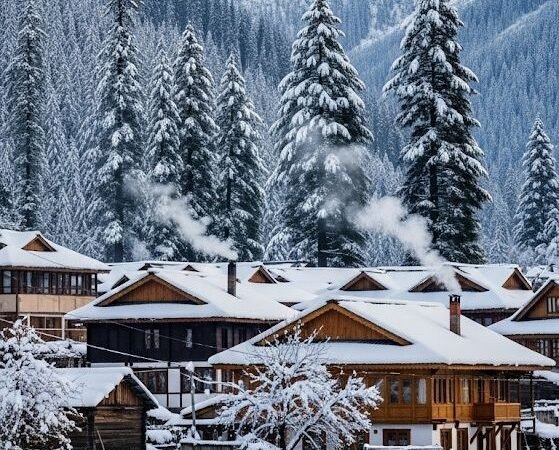
Winters in Kashmir generally span from December to February, with cold conditions persisting into March. The period from December to February is the primary season for snowfall—though the intensity varies annually—with higher-altitude locations like Gulmarg, Pahalgam, and Sonamarg receiving the heaviest snow. Srinagar experiences milder temperatures compared to the surrounding mountainous regions; according to long-term IMD weather data, the average night temperature in January is around -1.9°C, while the daytime temperature averages 6.7°C.
The peak of the winter season is known as ‘Chillai Kalan,’ a 40-day period extending from December 21 to January 31. During this time, temperatures can plummet well below freezing, particularly at night and in higher-altitude areas.
For snow-related activities, Gulmarg serves as Kashmir’s premier winter sports destination, offering skiing facilities and access to snow-covered slopes around Apharwat. Pahalgam and Sonamarg are renowned for their snow-clad landscapes and winter sightseeing, while Srinagar’s Dal Lake can partially freeze during periods of intense cold.
Tourists visiting Kashmir in winter should pack heavy woolens, insulated footwear, and layered clothing, and are advised to check local weather and road conditions before traveling to higher-altitude areas.
Check Live Weather Update
Live Srinagar Weather
Check current conditions before packing for your winter journey.
You’ve seen the photos — Gulmarg buried in powder, Dal Lake rimmed with ice, houseboats breathing smoke into frozen mornings. But here’s the problem: most “winter in Kashmir” guides online are written by content teams in distant offices. They won’t tell you that the Srinagar–Gulmarg road can close for hours after one heavy night, or that the “best month” depends entirely on what you want — snow sports, honeymoon quiet, or budget travel.
We’ve guided winter travellers through the Valley for years. This guide answers the questions people actually type into Google before booking — with real numbers, honest warnings, and no fluff.
Best Places to Visit in Kashmir in Winter
Gulmarg — The Winter Capital of India
If winter in Kashmir is a movie, Gulmarg is the lead actor. Asia’s highest gondola climbs to Apharwat Peak at 3,980m, the Meadow of Flowers disappears under metres of powder, and the world’s highest green golf course becomes a sledging playground. Everything you need to know about the slopes — gear, instructors, costs — is in our dedicated Gulmarg skiing guide.
Srinagar — Dal Lake & the Old City
Srinagar in winter is quietly magical. Shikara rides through icy mist, a thin crust forming at the lake’s edges in December (thick enough to walk near the banks by late January), and snow-dusted Mughal Gardens. A heated houseboat on Dal Lake beats any hotel lobby for atmosphere.
Pahalgam — The Quiet Valley
Lidder River runs half-frozen through snow-covered pines, and Betaab and Aru valleys look like film sets (because they are — Betaab was shot here). Fewer crowds than Gulmarg, ideal for slow winter walks and photography.
Sonmarg — Meadow of Gold, White Edition
Access depends on road clearance, but when it opens, the Thajiwas Glacier trek through silent snowfields is unforgettable. Check locally before planning — this is the one destination we never guarantee in peak Chillai Kalan.
Drung Waterfall (Tangmarg)
Twenty minutes from Gulmarg, this waterfall freezes solid into a wall of blue-white ice each winter. It’s become one of Kashmir’s most photographed winter spots — and it’s free to visit.
Things to Do in Kashmir in Winter
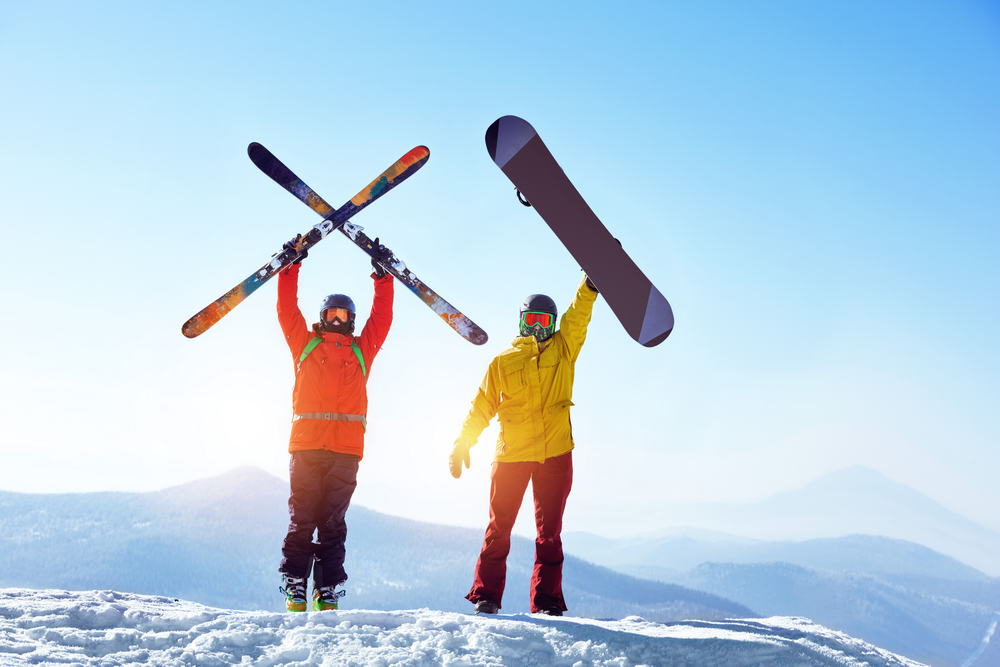
Skiing & snowboarding in Gulmarg — powder slopes for beginners (Mary’s Shoulder) to experts (Apharwat’s back bowls). Full breakdown in our Gulmarg skiing guide.

Gondola ride to Apharwat — even non-skiers should ride Phases 1 and 2 for the panorama. (Tip: we’ll soon publish a dedicated guide on Gulmarg Gondola tickets, phases, and how to beat the queue.)
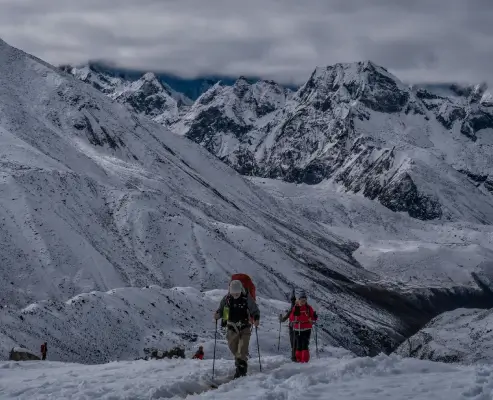
Snow trekking — Thajiwas Glacier (Sonmarg), Aru Valley (Pahalgam), or gentle walks through Gulmarg’s pine forests.
Ice skating — locals skate on safely frozen sections of Dal and Nigeen lakes in deep winter. Never step onto ice without local confirmation of thickness.
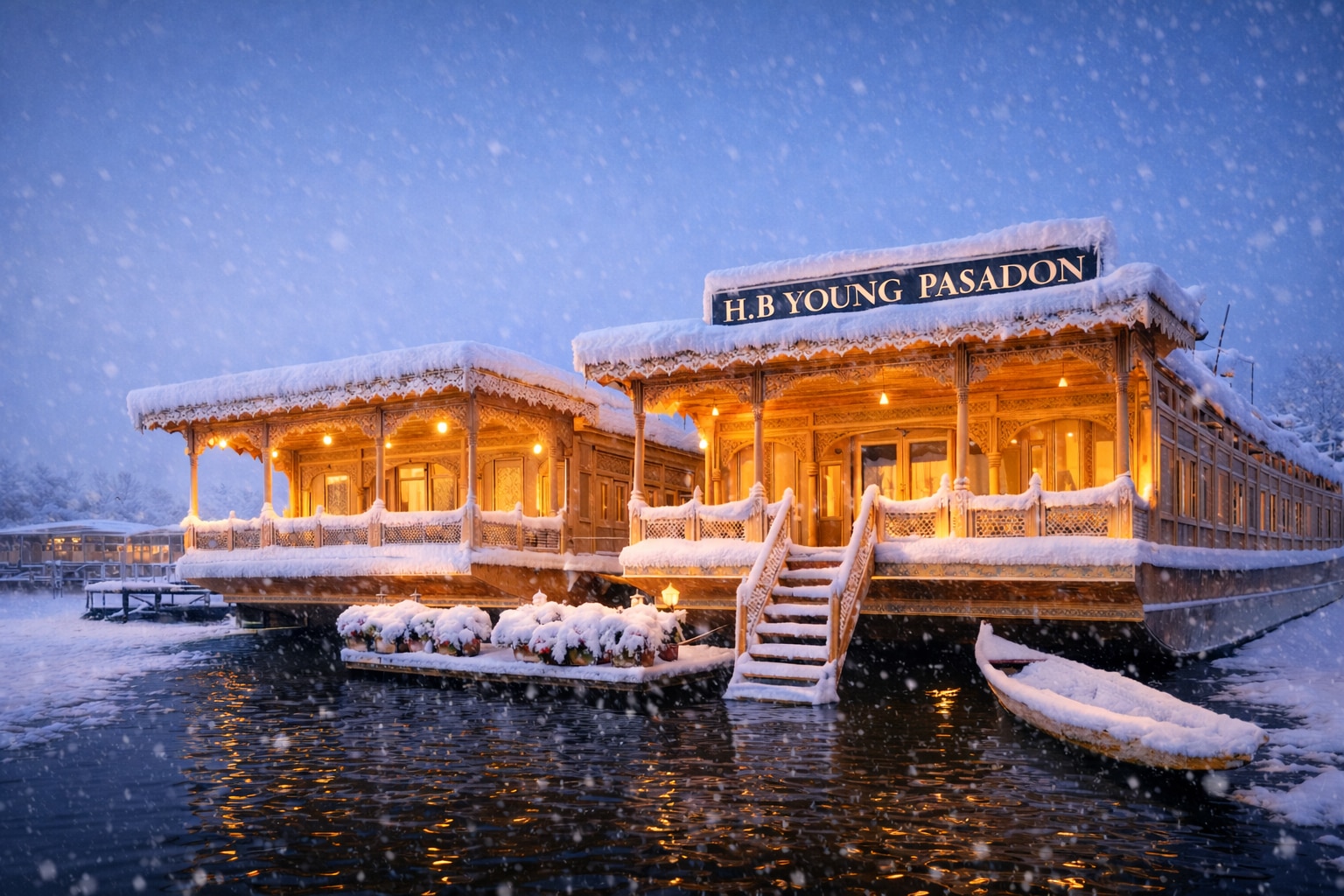
Houseboat stay with a kangri — the single most “Kashmir” winter experience there is.
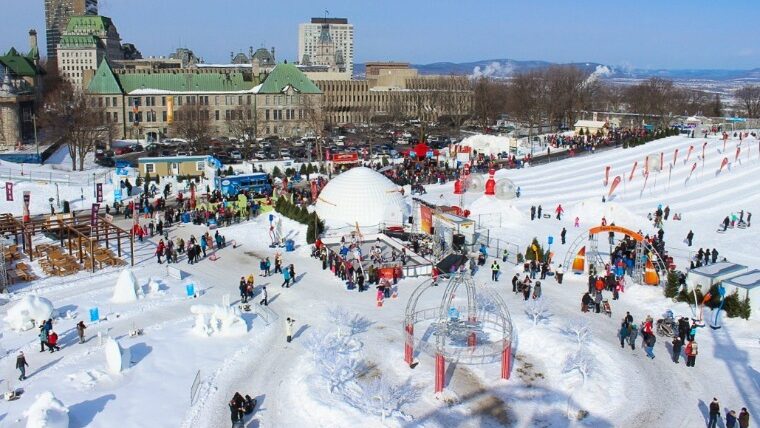
Winter festivals — watch for the Gulmarg Snow Festival (January) and Pahalgam Winter Festival (February): skiing events, Kashmiri food stalls, folk music.
Kashmiri Winter Food You Must Try
Winter cuisine here is designed to fight the cold:
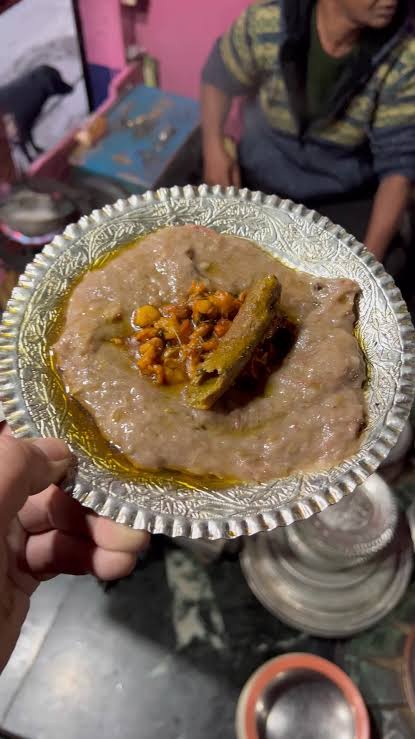
Harissa
Slow-cooked, pounded meat and rice, sold from copper pots in Old Srinagar’s mornings during Chillai Kalan. A bowl will keep you warm till lunch.

Wazwan
The legendary multi-course feast: Rista, Gushtaba, Tabak Maaz, Rogan Josh.
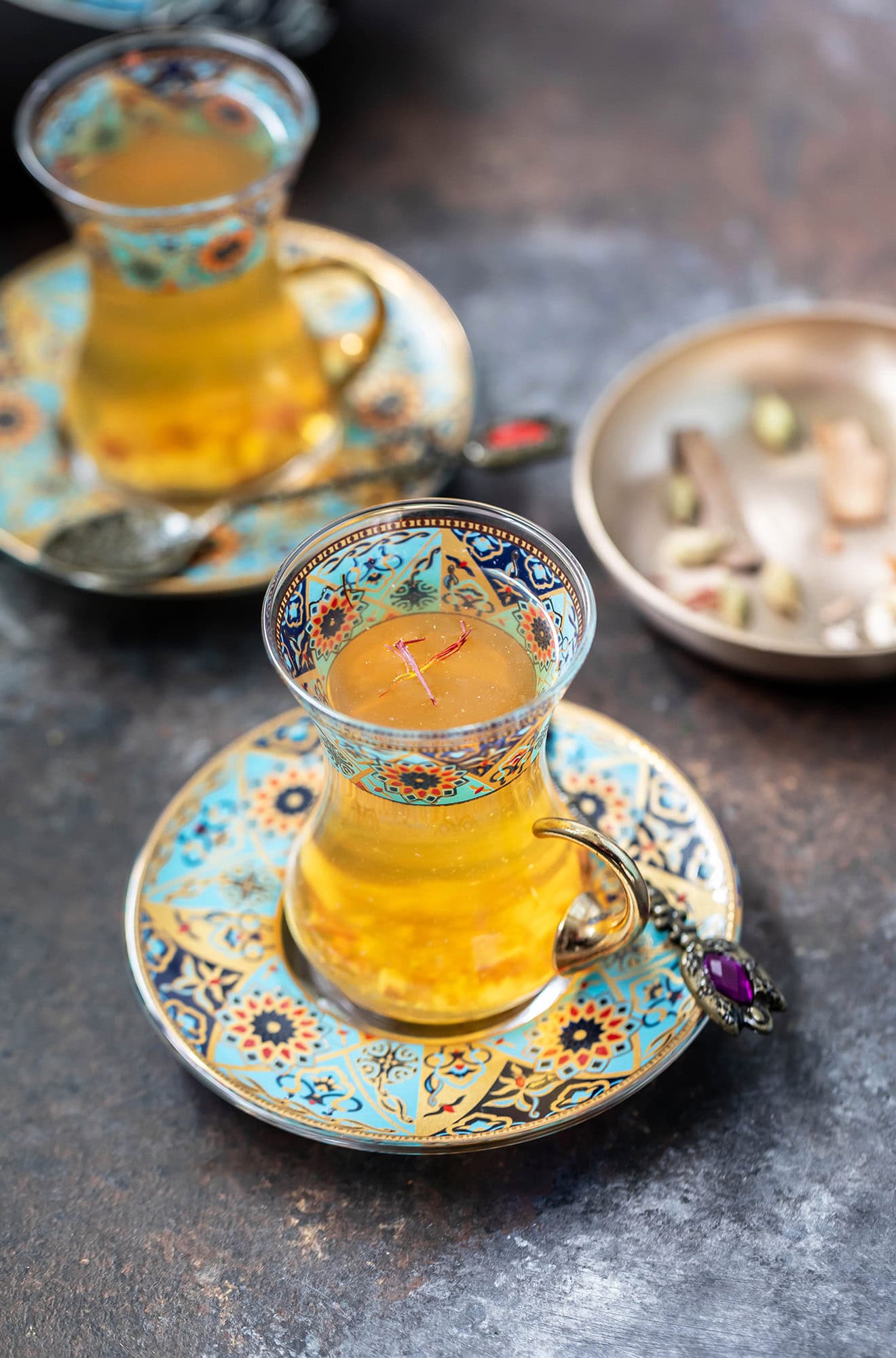
Kahwa
Saffron-green tea with almonds; every houseboat serves it, nowhere does it the same.
Noon Chai
The pink salted tea locals sip all day.
Vegetarian wins:


Packing List & Winter Tips (Learned the Hard Way)
Thermal base layer + fleece + insulated windproof jacket beats one heavy coat.
Waterproof boots with real grip — Srinagar’s sidewalks turn to polished ice.
Sunscreen, lip balm, and sunglasses. Snow reflects UV strongly; “snow blindness” is real.
Carry a power bank (cold drains batteries fast), and keep phones in an inner pocket.
Cold suppresses thirst, but the mountain air is extremely dry. Keep drinking water.
“Winterized” matters more than star ratings. Every stay we use in our winter packages is verified for central heating and backup power.
Always keep spare cash on hand. Card machines and UPI frequently fail when internet connectivity dips during heavy snowfalls.
Plan Your Winter Kashmir Trip — Packages, Itineraries and What to Expect
Experience Kashmir’s 2026–2027 winter season with our specialized 5 and 7-day snow holidays. Our winter tour packages usually range from ₹14,999 to ₹34,999 per person, featuring Gulmarg skiing, Dal Lake houseboats, and curated winter sightseeing.
How to Reach Kashmir in Winter
By air (recommended): Fly into Srinagar International Airport (SXR), 15 km from the city. Delhi, Mumbai, and Bengaluru have direct flights; book early for December–January. Pro tip: schedule your return flight with a half-day buffer — fog and snow occasionally delay morning departures.
By train: The nearest major station is Jammu Tawi (~260 km). From Jammu, it’s 7–9 hours by road to Srinagar via the NH44 tunnel route — scenic, but chain-fit vehicles and experienced drivers matter in snow.
By road in winter: Possible, but insist on a local driver and a 4×4 or SUV with chains for Gulmarg/Pahalgam legs. Do not attempt self-driving on snow without experience.
Frequently Asked Questions About Winter in Kashmir
To begin with, Chillai Kalan 2026 officially begins on December 21, 2026. Furthermore, it lasts for exactly 40 days, eventually concluding on January 31, 2027. Undeniably, this is the harshest as well as the snowiest period across the entire Kashmiri winter. Therefore, it serves as the ultimate peak season for snow lovers. However, on the other hand, this is also when severe travel disruptions are most likely to occur. Consequently, planning ahead with flexible buffer days is essential
In general, January is unquestionably the coldest month of the entire year. Specifically, nighttime temperatures in Srinagar regularly plunge between -5°C and -7°C. Meanwhile, higher altitudes like Gulmarg routinely drop below -10°C. As a result, daytime temperatures rarely cross 5°C throughout the valley during severe cold waves. Because of this, booking centrally heated accommodation is critically important.
Without a doubt, yes—especially if you wish to witness powder snow, enjoy skiing, and experience frozen landscapes without summer crowds. In fact, winter is the only time when Gulmarg’s ski slopes are active and Dal Lake develops icy shores. In contrast, you should reconsider only if you strongly dislike freezing weather or have inflexible travel schedules. Overall, however, it remains an unforgettable winter wonderland.
Absolutely. Snowfall is reliable every year from December through February, heaviest in Gulmarg, Pahalgam, and Sonmarg. Srinagar itself sees snow several times each winter, with the greatest chances during Chillai Kalan (Dec 21–Jan 31).
Winter temperatures in Kashmir range from about 10°C in November days to -10°C (or lower) in Gulmarg nights during January. Srinagar typically sees 2°C–8°C days and -2°C to -7°C nights in December–February, while higher reaches like Apharwat can touch -15°C with wind chill.
Layering is the golden rule. Pack high-quality thermal innerwear, heavy fleece sweaters, and a windproof/waterproof heavy down jacket. Waterproof snow boots, woolen socks, gloves, and a beanie are mandatory. You can also easily rent heavy snow boots and outer coats locally in Tangmarg before heading up to the Gulmarg slopes.
Beauty is subjective, but in winter, Gulmarg transforms into a world-class winter wonderland and is arguably the most stunning for snow enthusiasts. However, Srinagar's quiet, misty Dal Lake and Pahalgam's frozen Lidder River winding through snow-draped pine forests offer an equally beautiful, peaceful contrast.
A quality winter tour package typically ranges from ₹14,999 to ₹34,999 per person, depending on your hotel category and inclusions. This generally covers centrally heated accommodations, a Dal Lake houseboat stay, dedicated 4x4 winter transport, and airport transfers.
A 5 to 7-day itinerary is the sweet spot. It provides enough time to acclimatize and comfortably explore the main winter circuit—Srinagar, Gulmarg, and Pahalgam—without rushing, while leaving buffer time in case of brief snow-related road delays.
To begin with, beyond its breathtaking Himalayan landscapes, Kashmir is globally famous for its intricate Dal Lake houseboats. Furthermore, it boasts the world's highest green golf course—which, naturally, becomes a premier ski resort in winter—alongside the iconic Gulmarg Gondola. In addition, the region is highly celebrated for authentic Pashmina shawls and fragrant Pampore saffron. Last but not least, it is renowned for rich winter cuisines, such as traditional Wazwan and Harissa.
- Winter in Kashmir 2027: Snowfall, Temperature & Travel Guide
- Gulmarg Skiing 2026–2027: The Complete Guide for Beginners to Pros
- Kashmir Winter Tour Packages 2026–2027 | 5 & 7 Days Snow Holidays
- Autumn in Kashmir (Harud) — The Complete Travel Guide
- Amarnath Yatra Package 2026: A Straight-Talk Guide to Dates, Routes, Cost and Registration